
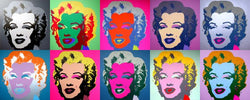
About Andy Warhol's Marilyn Monroe series
, 6 min reading time
, 6 min reading time
Since Marilyn Monroe’s tragic death in 1962 — caused by a narcotics overdose — Andy Warhol began to create multiple works featuring the actress as the main character. And the fact is that this Pop Art master was so interested in portraying mass consumer products that he couldn’t miss the chance to show Monroe as another product of popular culture. In doing so, he created a striking reflection on youth, fame, and death itself — themes that would define much of his career — as we can already see in his first work about the actress, the iconic Marilyn Diptych.
Warhol’s works about Marilyn Monroe are based on a publicity photograph taken by Gene Kornman for the film Niagara. He created around fifty works based on that same image, yet in this article we’ll focus on the series of ten color variations made using the screen printing technique — a set known as the Marilyn series.
The original series, made up of 10 screen prints with the same image but different colors, was created in 1967 and edited by Factory Additions. Printed on Aetna Silkscreen Products Inc.’s museum board, each print measures 91 x 91 cm (36 x 36 inches) and belongs to an edition of 250 copies. Some of these were signed by the artist, others initialed, and only some dated. Additionally, 26 portfolios of artist proofs were produced, signed and inscribed from A to Z.
Without a doubt, this is the most valuable series of all that have been released — one complete Marilyn portfolio has fetched up to 1.5 million dollars at auction. Today, these works are among the most sought-after pieces of 20th-century art, symbolizing both Warhol’s genius and the tragedy of celebrity itself.
In 1970, a new suite was edited using the same image but with ten fresh color variations and slightly different dimensions (84.4 x 84.5 cm). Each of these screen prints includes on the back the stamps "Published by Sunday B. Morning" and “Fill in your own signature”, both printed in black ink. These editions are catalogued in the Feldman & Schellmann Catalogue Raisonné, which documents all of Warhol’s graphic works from 1962 to 1987. Curiously enough, Warhol himself signed a few of these prints with the ironic phrase “This is not by me. Andy Warhol.” A cheeky comment on authorship and authenticity — and, arguably, one of his most brilliant conceptual gestures.
A third suite, known as the “European Artist’s Proof Edition”, was released in 1985 using the same Marilyn image and featuring Warhol’s stamped signature. The number of copies produced remains unknown, adding another layer of mystery and intrigue to the story.
The fourth edition of this series is the one that belongs to Sunday B. Morning today, and it can be recognized by the distinctive blue stamps on the reverse. These screen prints were made from reproductions of the original serigraphic screens used by Andy Warhol in 1976, printed on the same type of paper and with high-quality inks — resulting in works of extraordinary vibrancy and fidelity to the originals.
Besides this last Marilyn series, Sunday B. Morning has also released portfolios of Flowers, Campbell’s Soup and Mao suites — each one an homage to the Pop Art iconography that Warhol elevated to high art.
Fun fact: Warhol’s fascination with Marilyn wasn’t just about fame — it was about repetition. He used the same image over and over, altering only the colors. The result? An endless loop of beauty and tragedy, glamour and decay. Each version becomes both a celebration and a requiem. It’s as if Warhol were saying: “Even immortality can be mass-produced.”
Today, the Sunday B. Morning Marilyn prints are the perfect way to own a piece of that story — same image, same technique, same striking vibrancy — at a fraction of the cost of a 1967 original. Collectors and enthusiasts alike love them for their faithfulness and their playful Warholian irony.
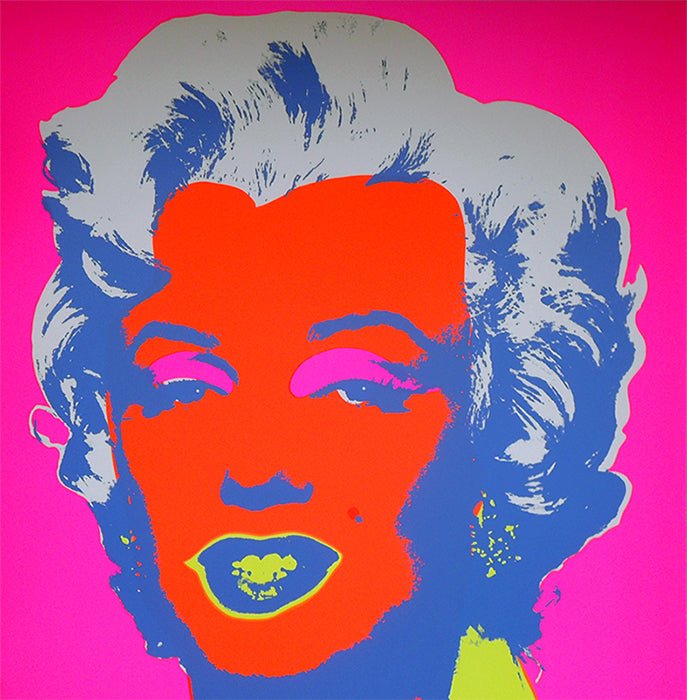
Marilyn 11.22 |
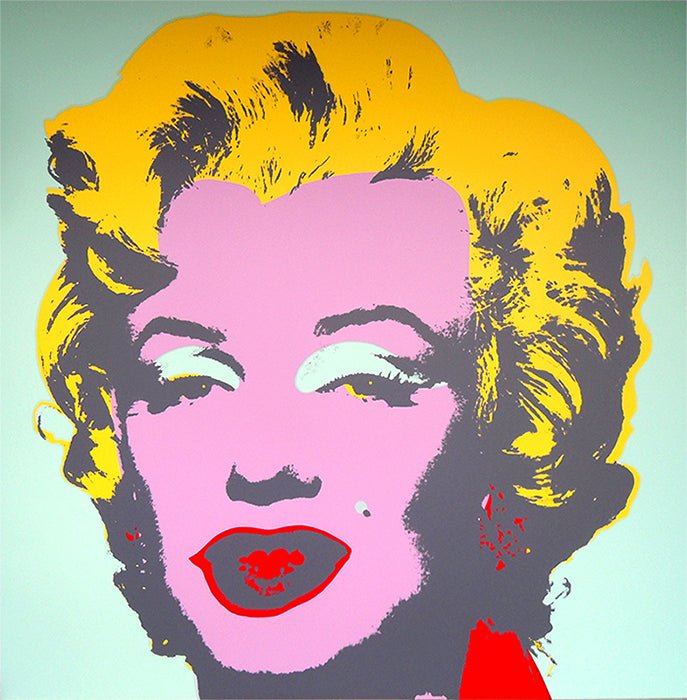
Marilyn 11.23 |
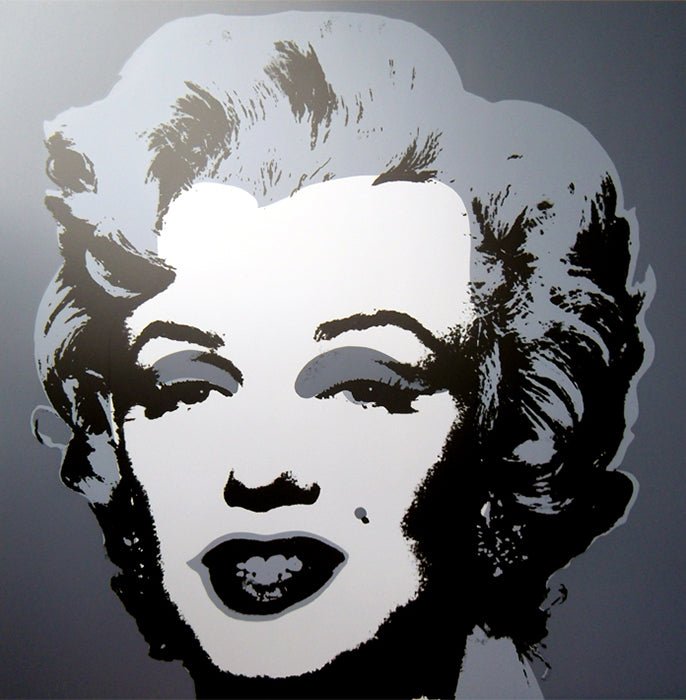
Marilyn 11.24 |
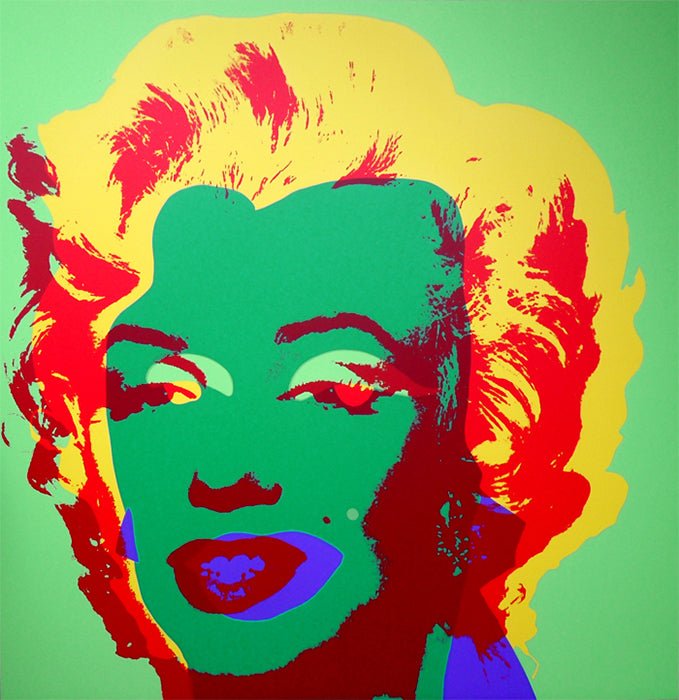
Marilyn 11.25 |
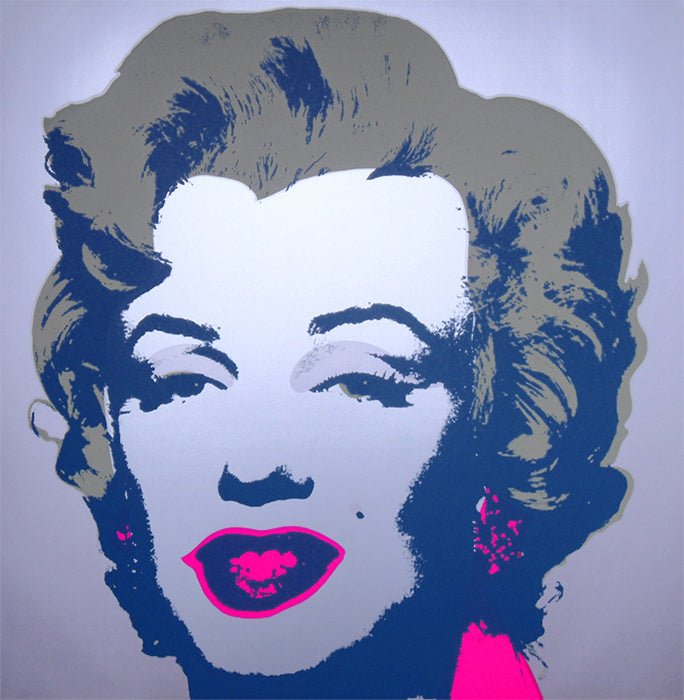
Marilyn 11.26 |
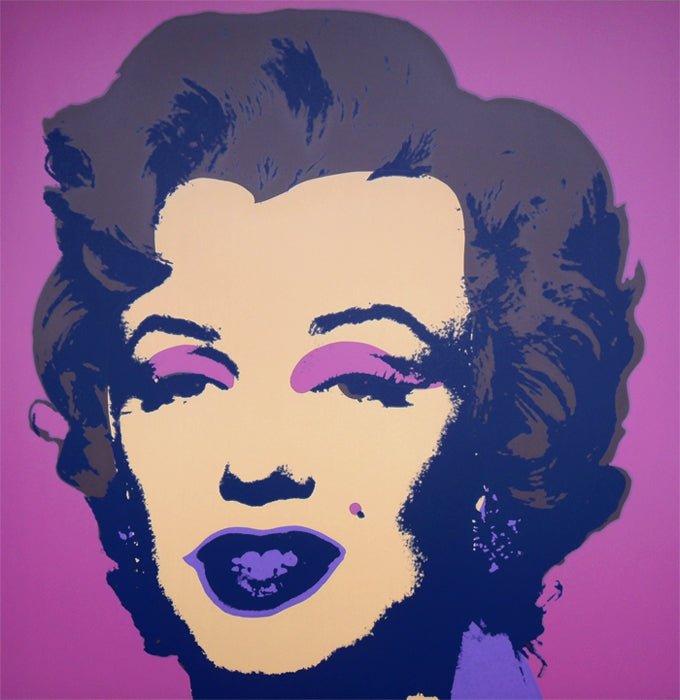
Marilyn 11.27 |
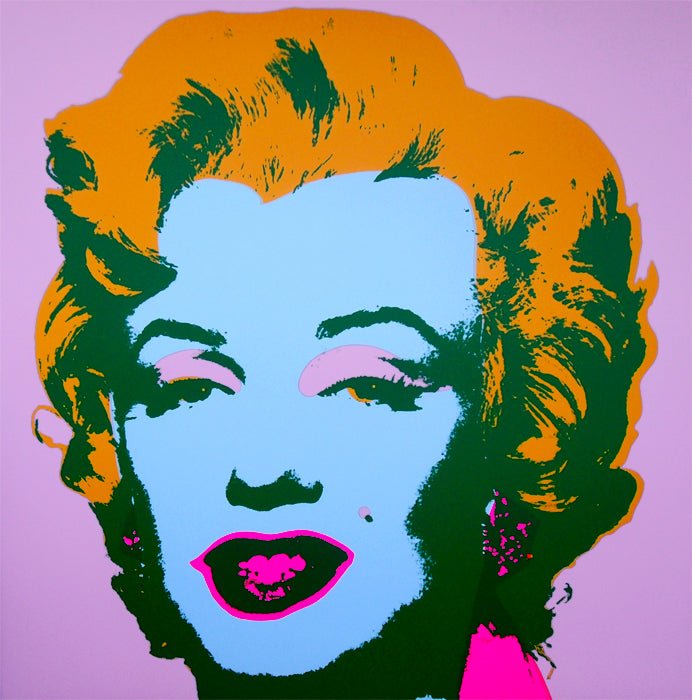
Marilyn 11.28 |
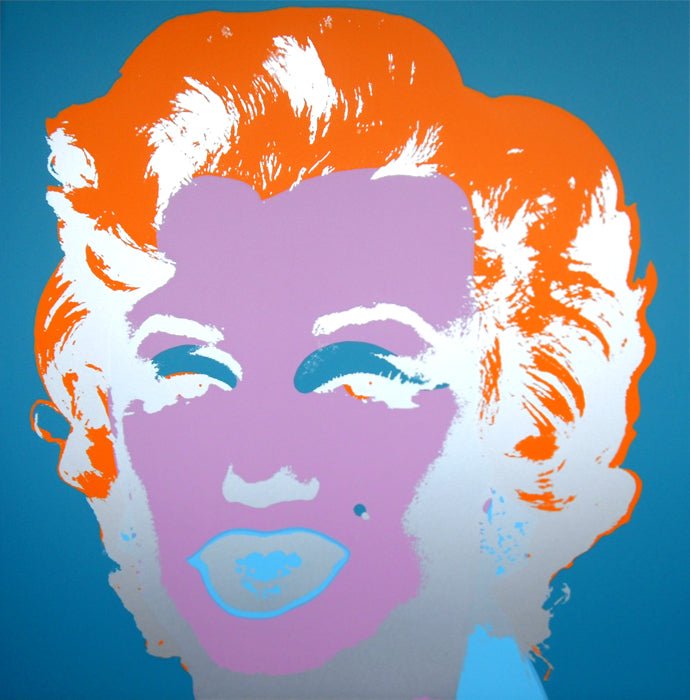
Marilyn 11.29 |
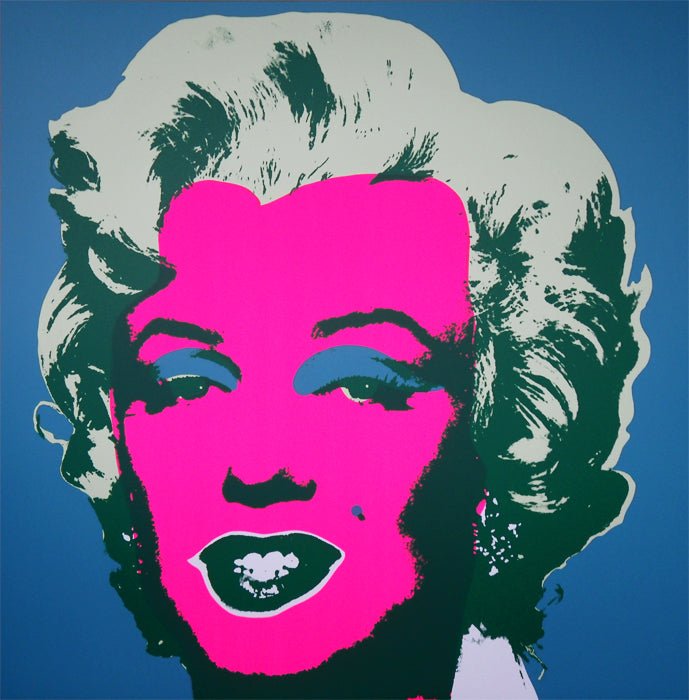
Marilyn 11.30 |
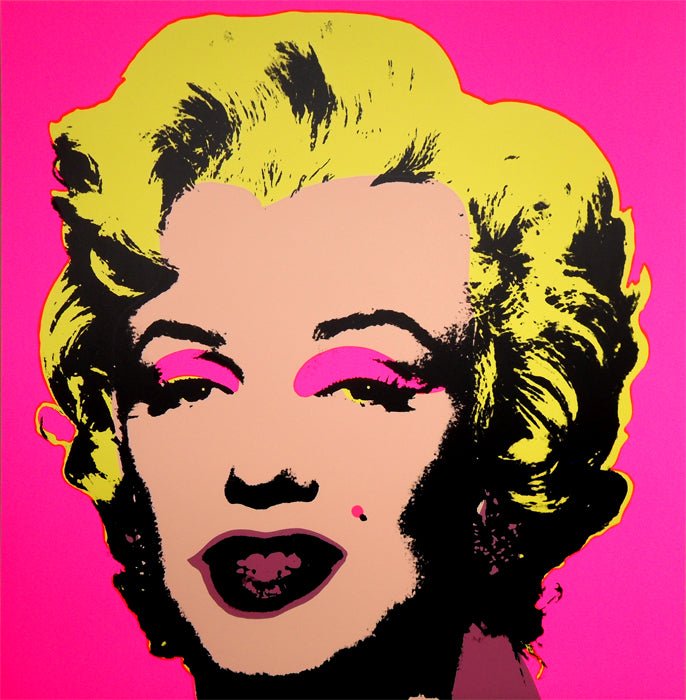
Marilyn 11.31 |
Owning a Sunday B. Morning Marilyn is like holding a vibrant echo of Pop Art history — a reminder that fame, color, and repetition never really die, they just get reprinted.
To deepen the context for collectors and curious readers: Warhol’s Marilyn works function simultaneously as advertisements, portraits and memento mori. The deliberate mechanical reproduction — the silkscreen process — removes the trace of individual brushwork and replaces it with the stamp of industry. That is precisely the point: mass culture flattens the unique into the reproducible.
Final thought: whether you collect for investment or for love of the image, the Marilyn series remains a powerful study of modern celebrity — and Sunday B. Morning’s editions offer a vivid, democratic way to bring that iconography into contemporary interiors.


