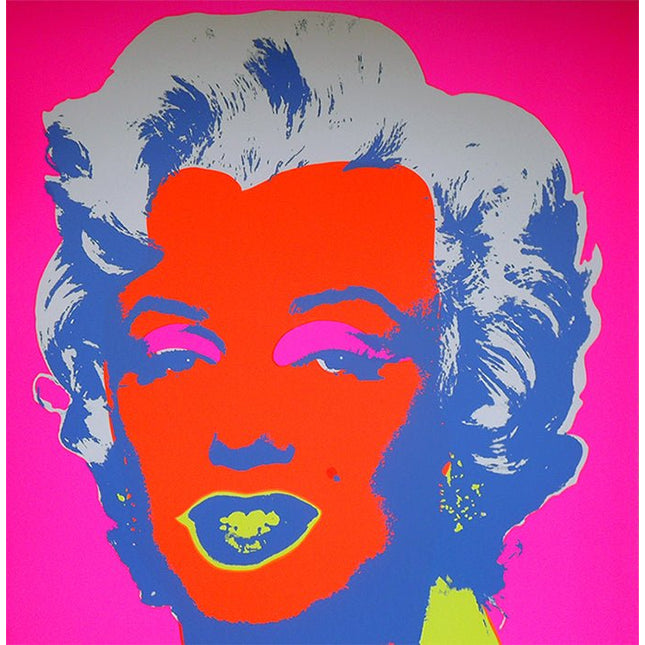
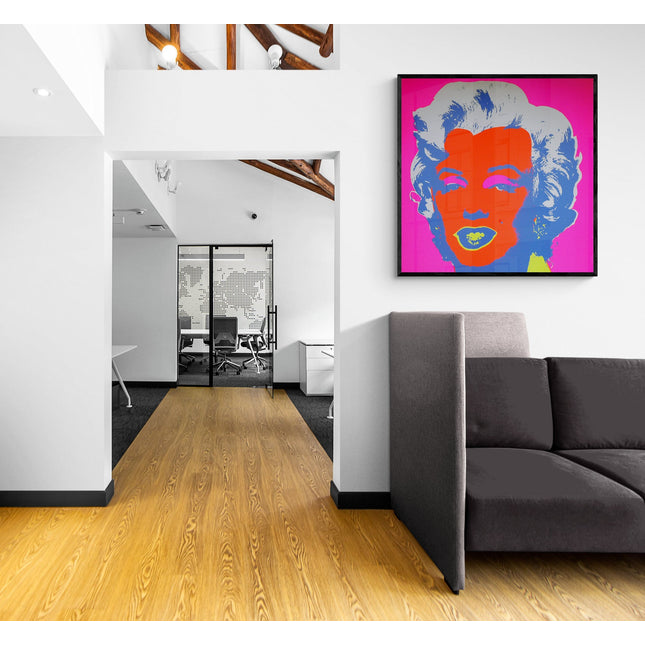
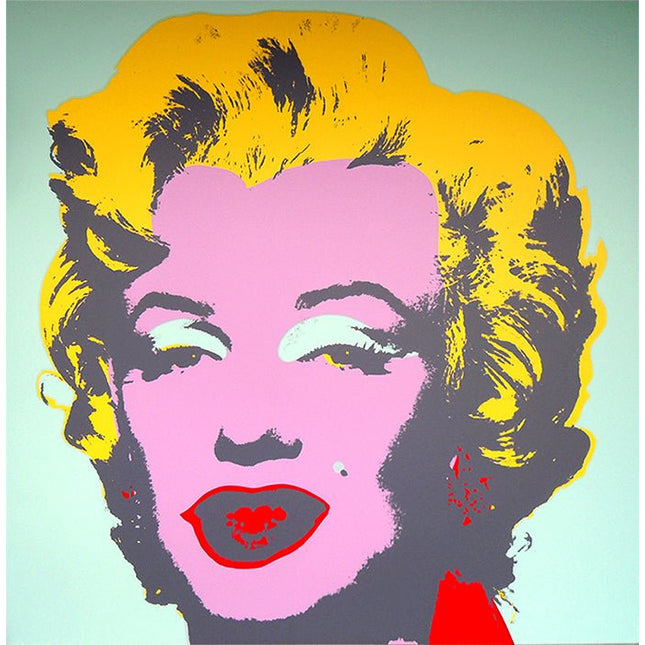
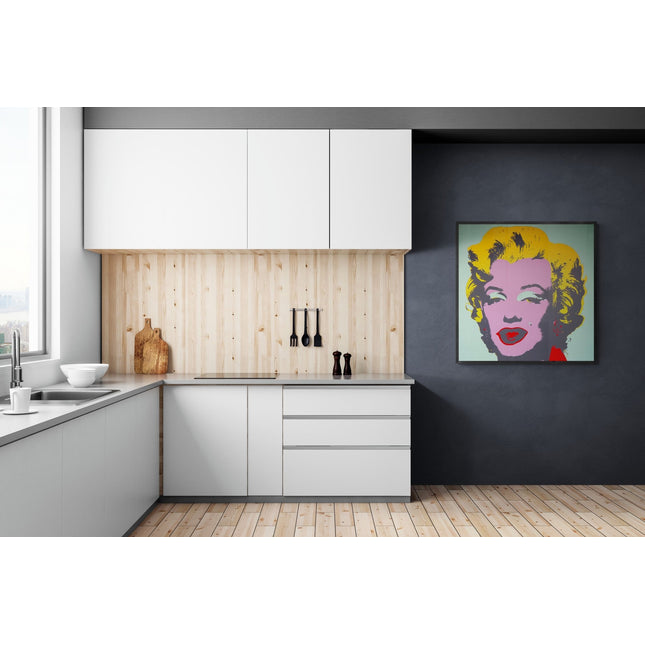
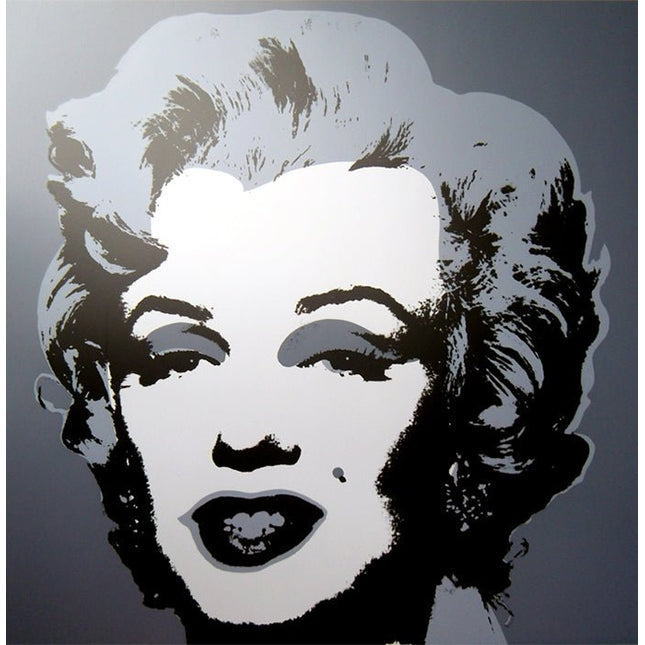
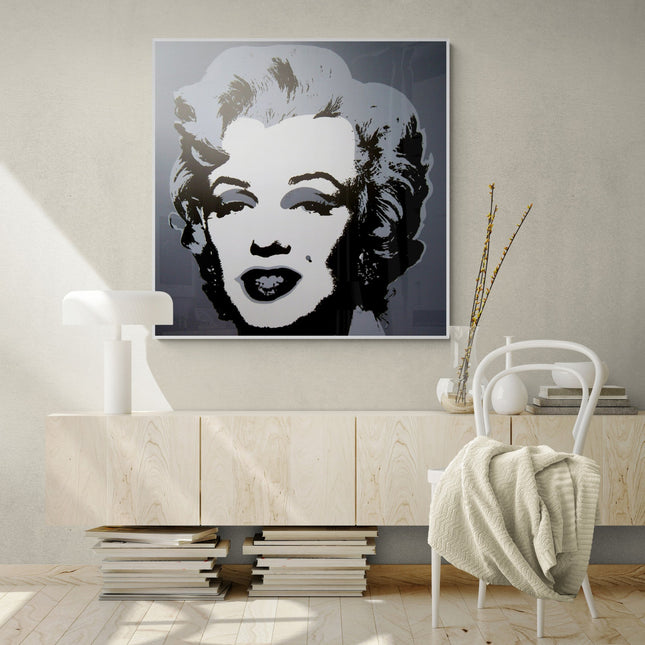
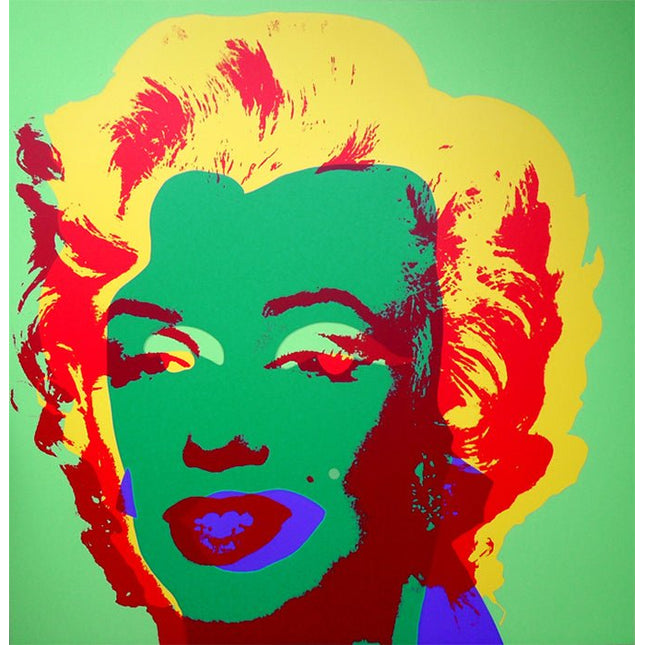
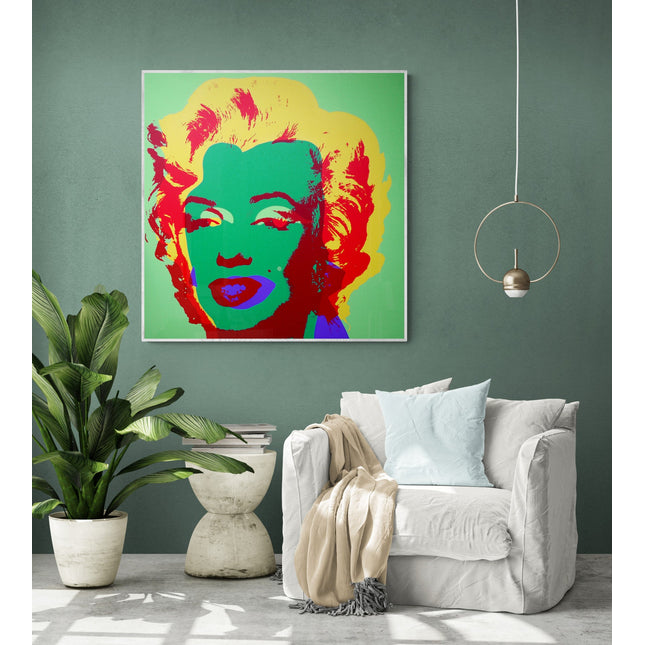
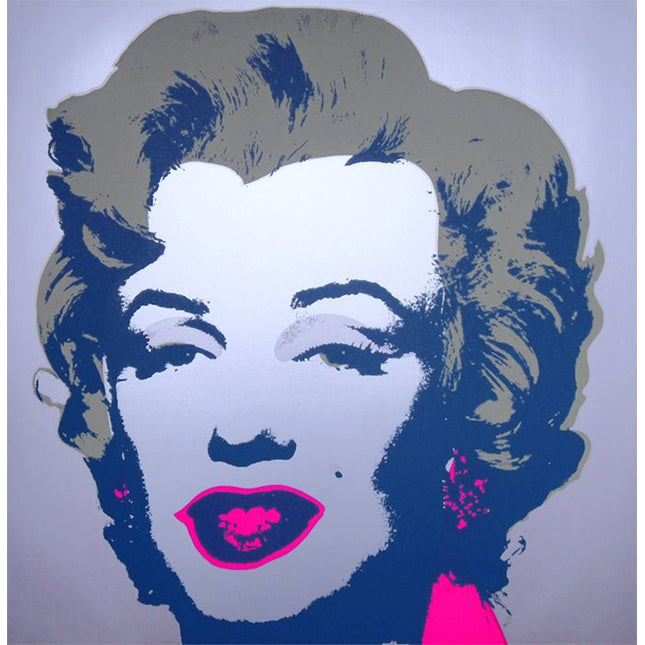
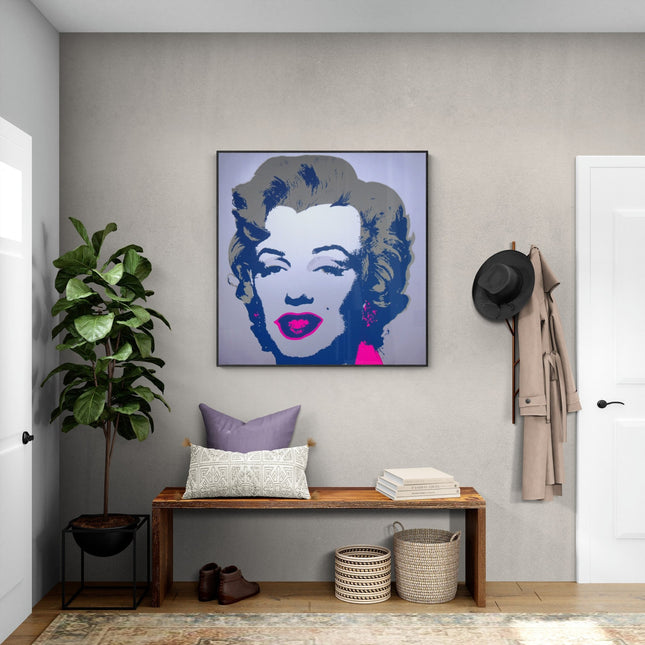
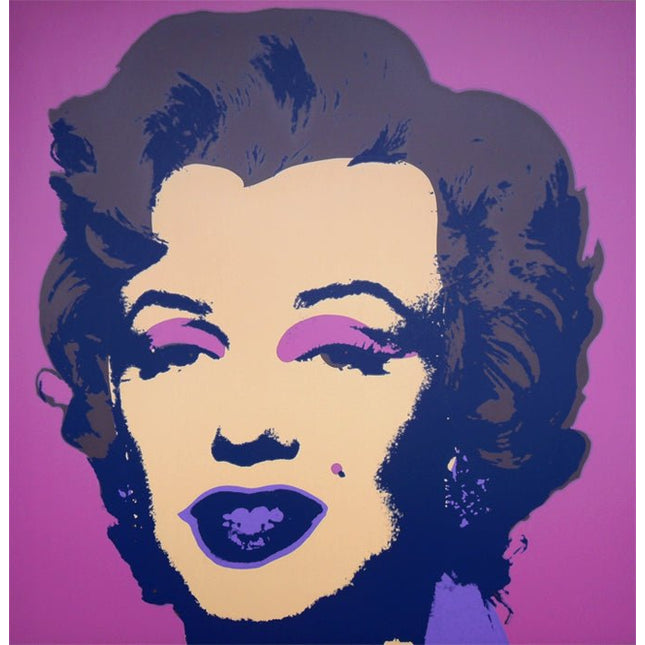
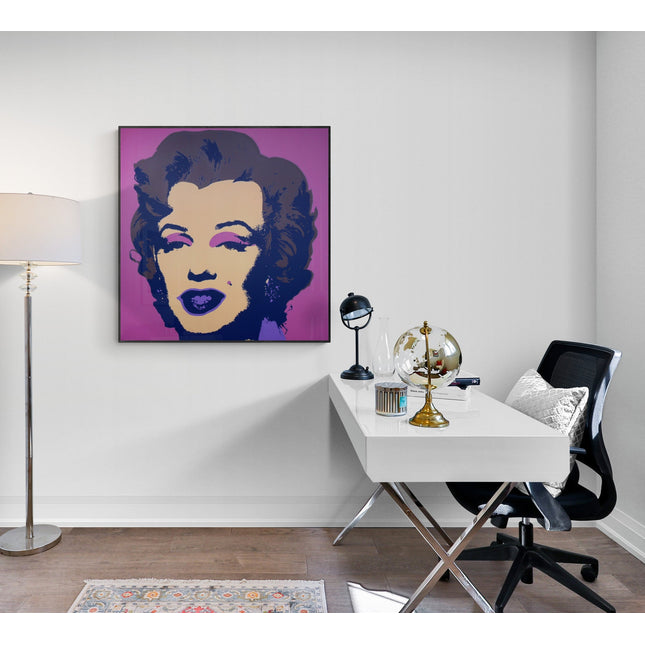
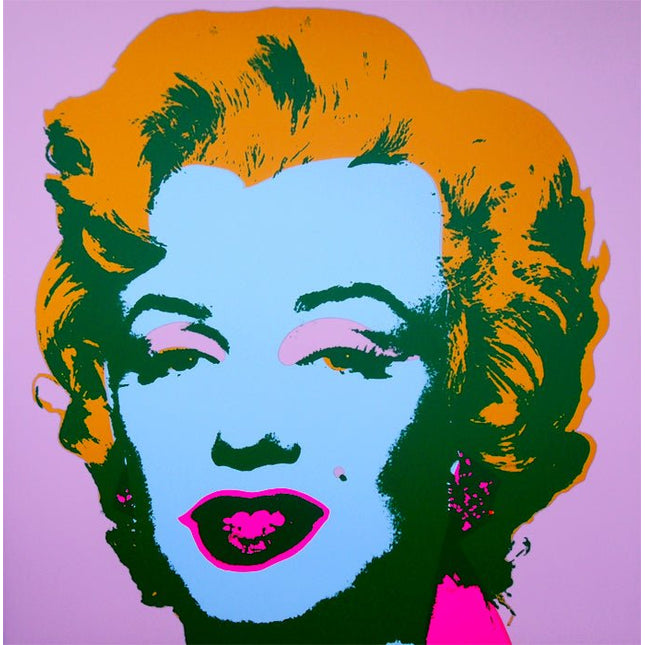
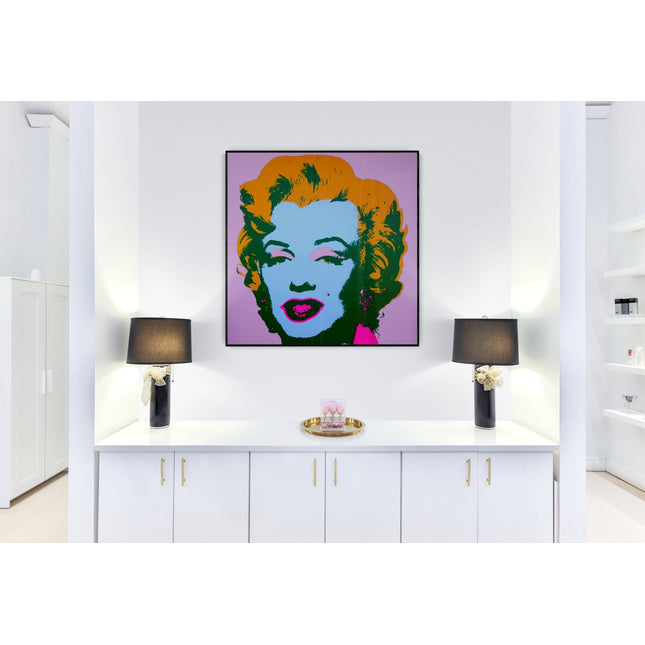
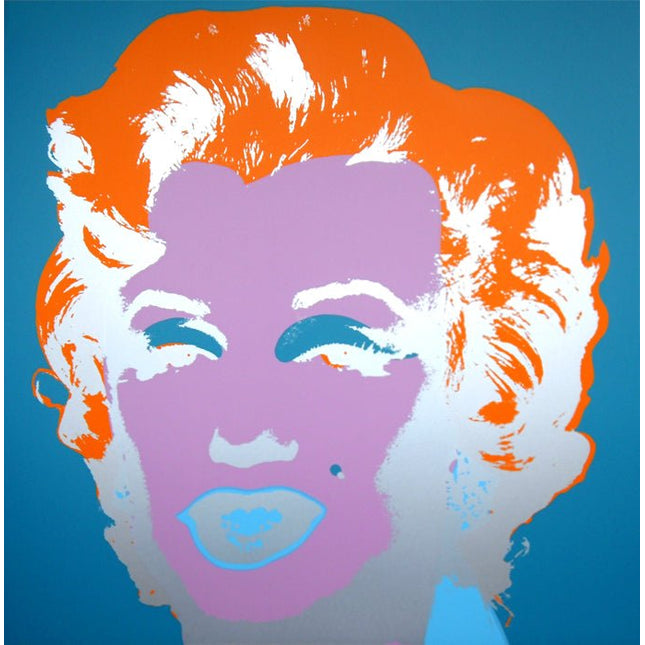
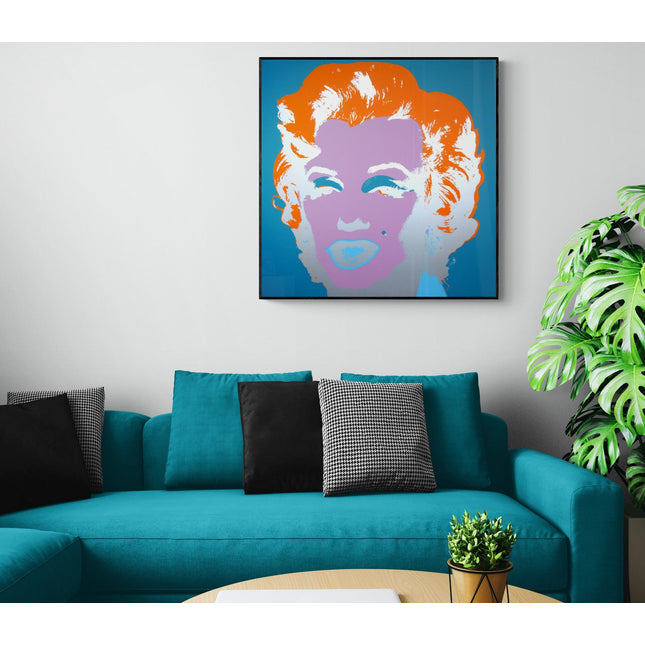
Screen print on museum board paper after Andy Warhol and published by Sunday B. Morning. Inscriptions on the back: "Published by Sunday B. Morning" and "Fill in your own signature". These prints are found in Feldman & Schellmann's "Andy Warhol's Catalogue Raisonne". Certificate of authenticity issued by Sunday B. Morning included.
The Mao Grey series by Andy Warhol is one of the most enigmatic variations within his renowned set of Mao Zedong portraits, created in 1972. In this version, Warhol abandons the vibrant and expressive colours of other editions and instead adopts a more subdued and austere aesthetic, dominated by shades of grey. This chromatic choice lends the image a more introspective quality, moving it away from overt spectacle and bringing it closer to the language of editioned prints and controlled visual variation.
The use of grey in this series suggests a reinterpretation of Mao’s official portrait through a more neutral, almost depersonalised lens. Unlike the vividly coloured versions, which foreground the relationship between politics and spectacle, Mao Grey seems to strip the figure of its mythic charge, reducing it to a flat and emotionally restrained image. This visual coolness may be read as a reflection on the rigidity of power, but also on the way images circulate, acquire value and are reframed through the logic of post-production in printmaking.
The Mao Grey series also underscores Warhol’s enduring fascination with repetition and the mechanisation of imagery. Rather than magnifying Mao’s persona through dramatic contrasts, the grey version intensifies the serial and impersonal character of the composition, recalling a faded photograph or an archival document emptied of sentiment. Seen in this light, the work opens onto broader questions around reproducibility, preservation and the afterlife of images within the field of fine art prints.