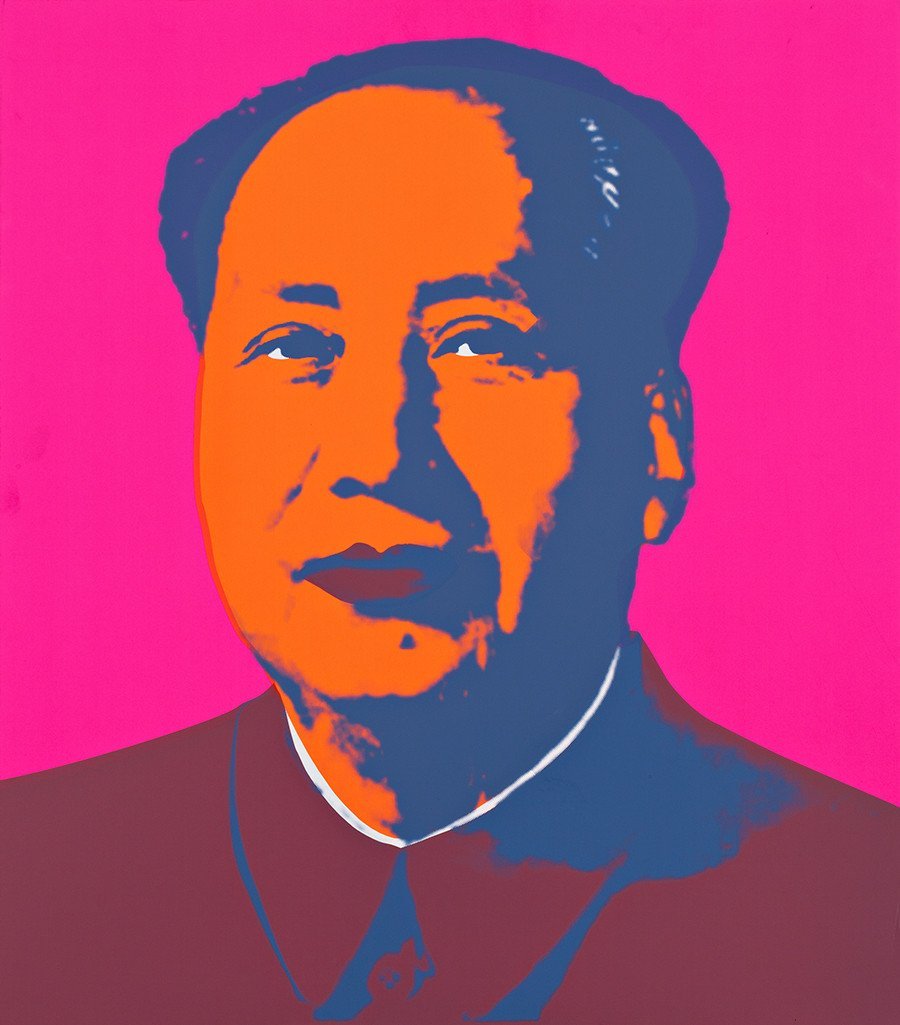
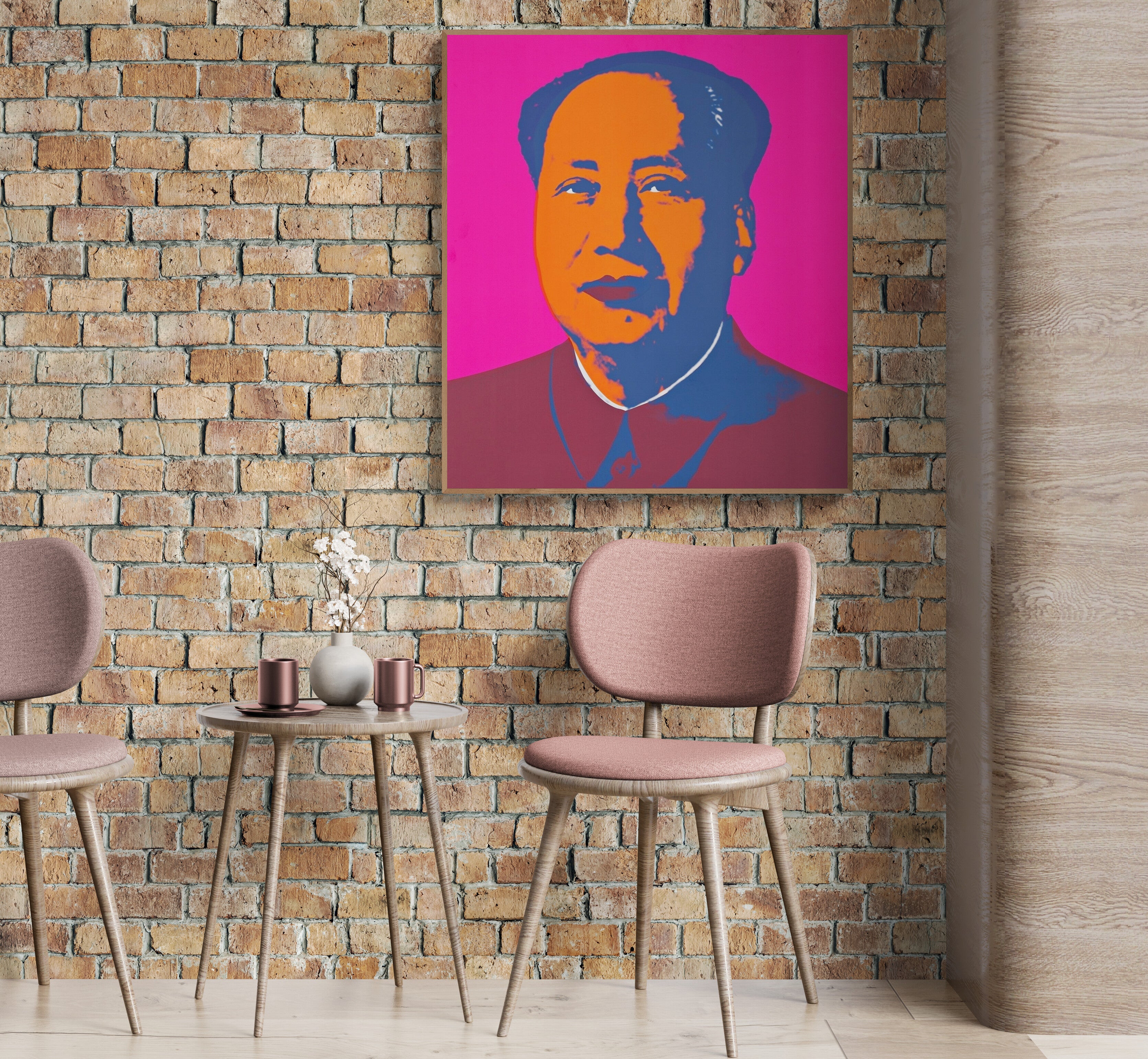
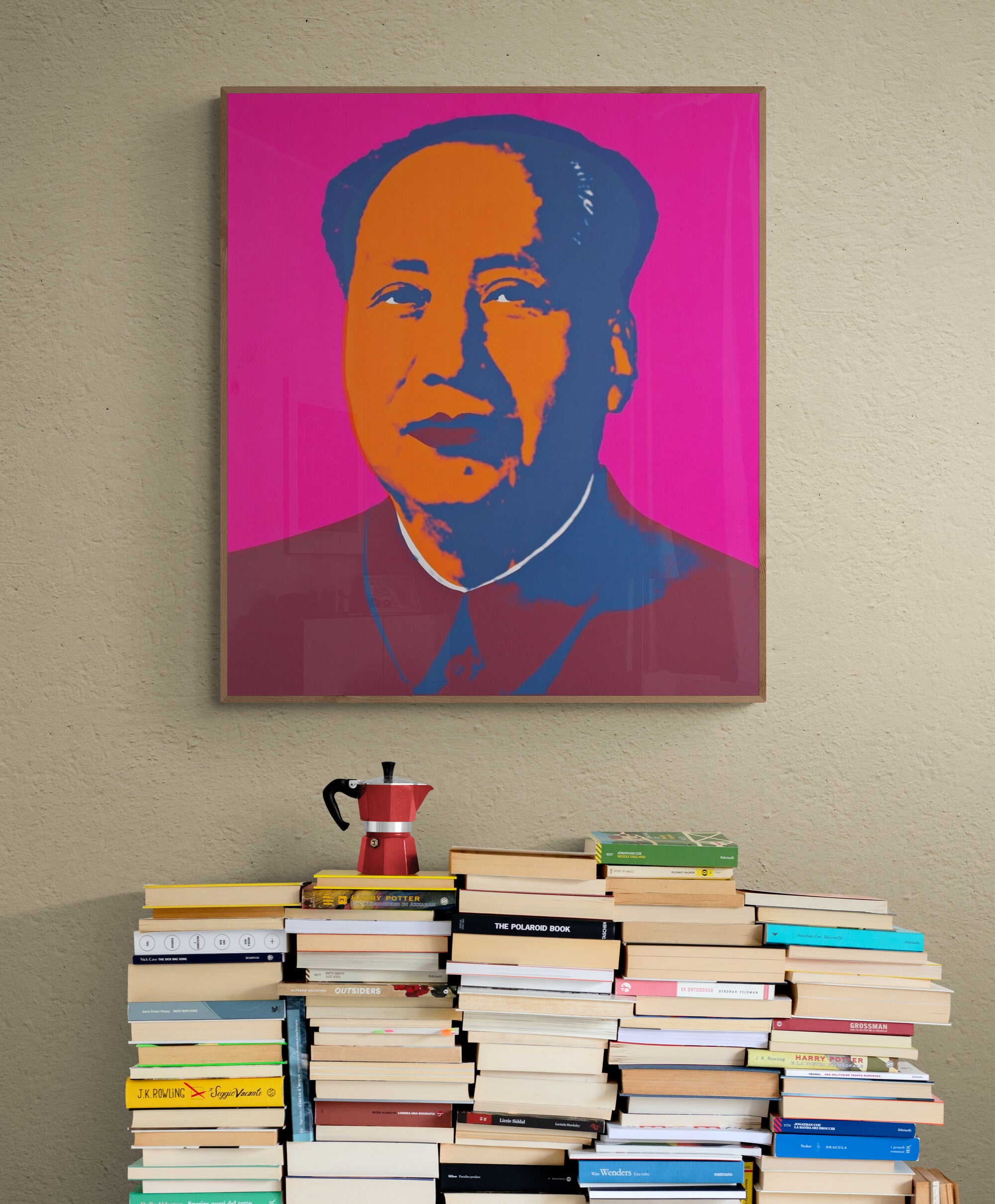
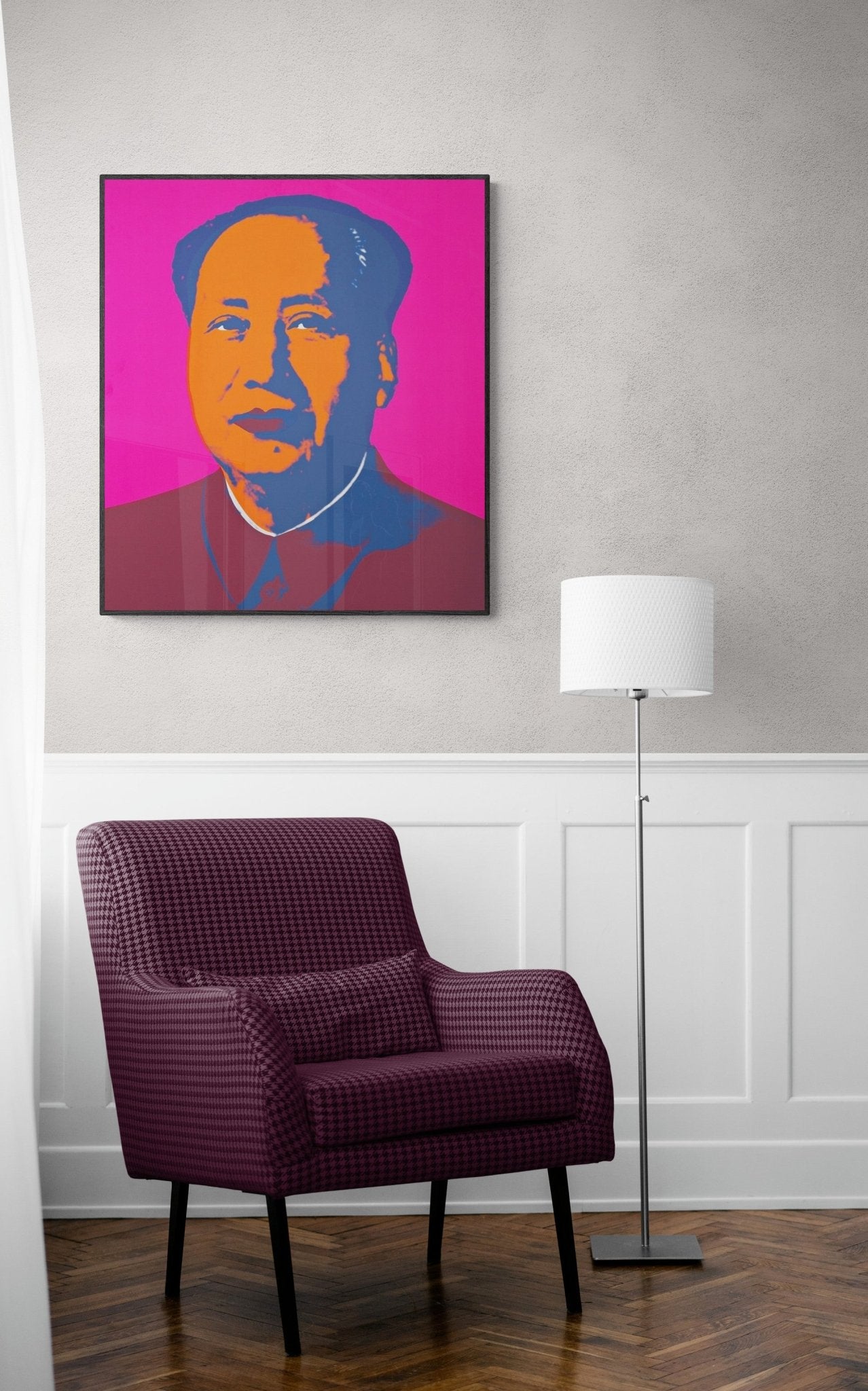
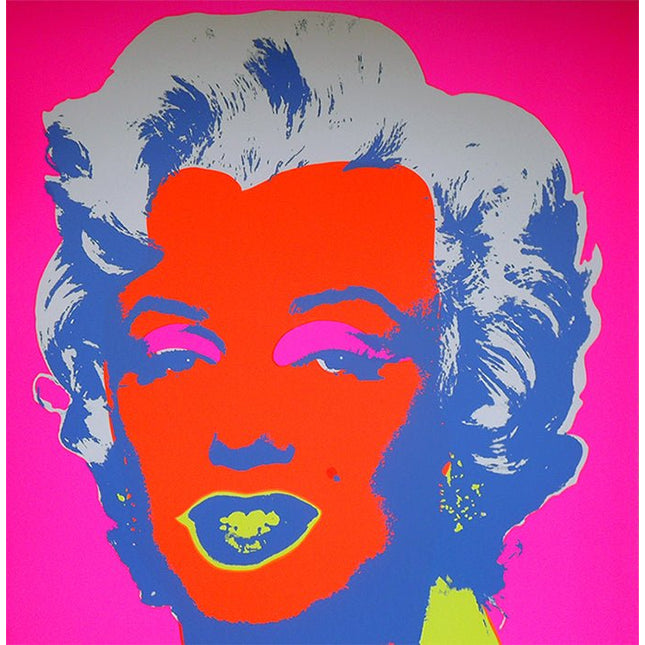
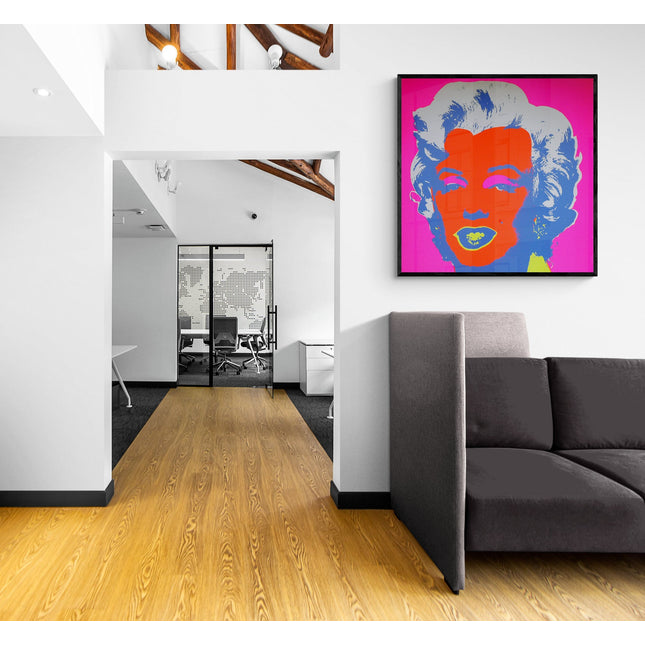
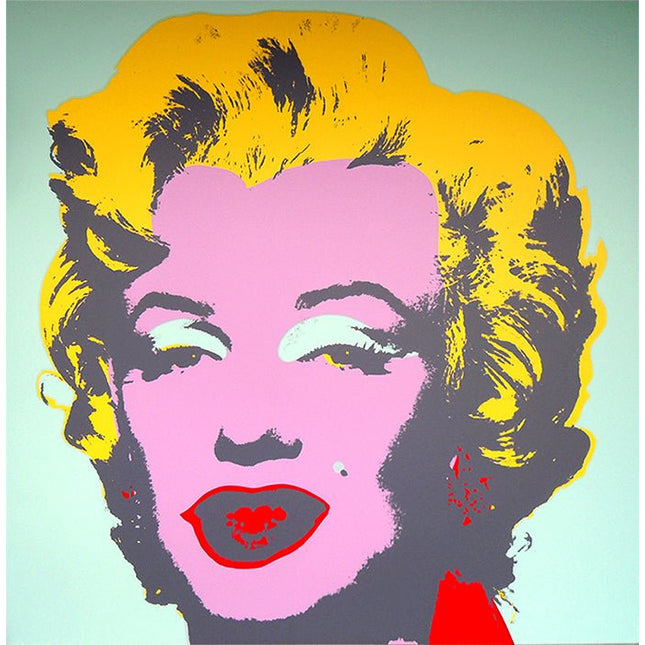
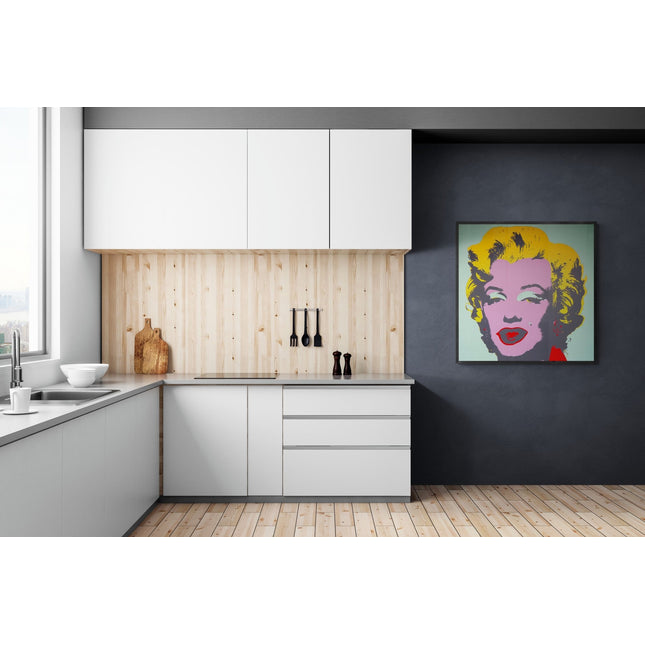
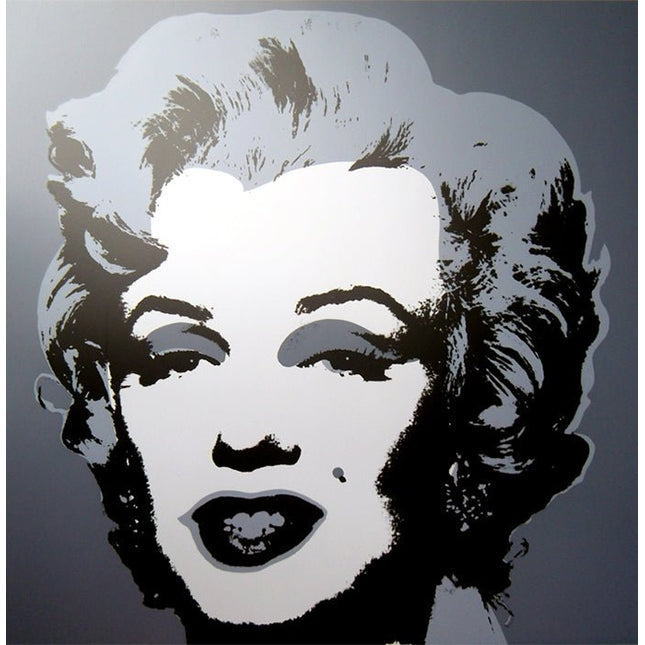
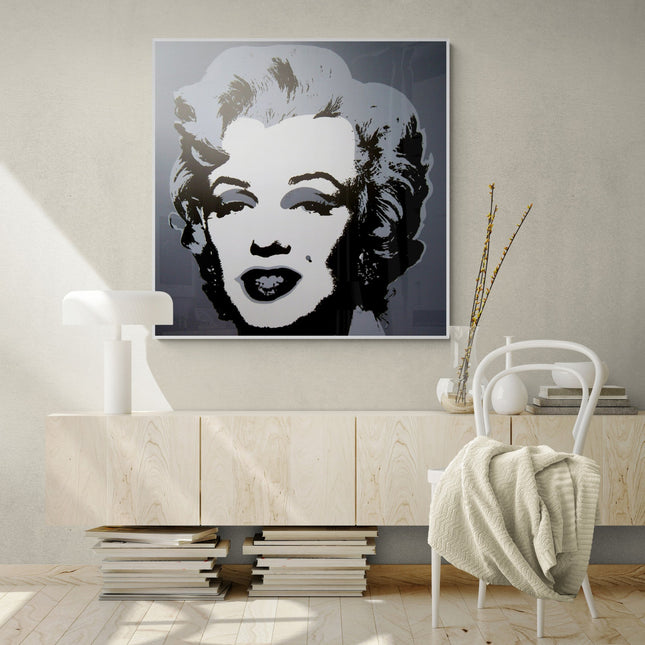
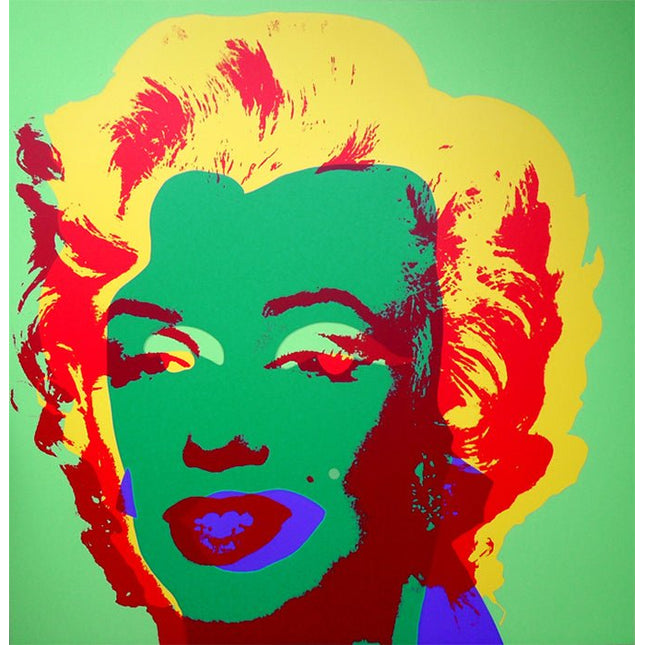
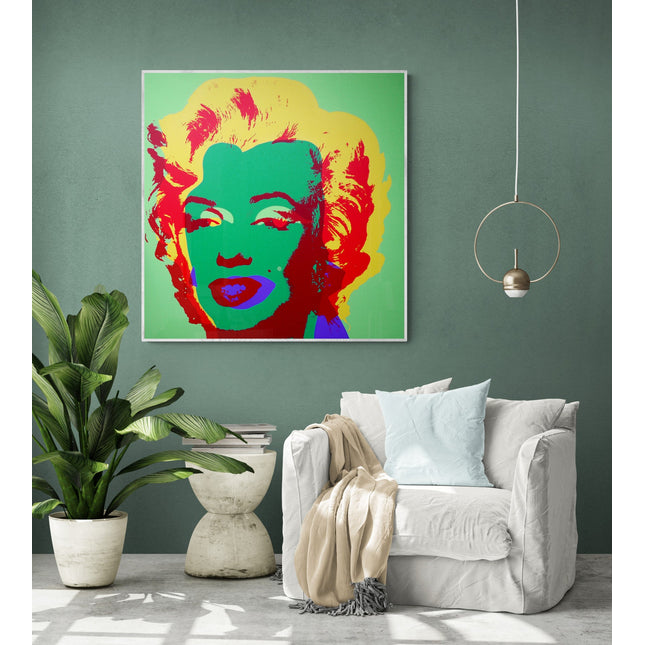
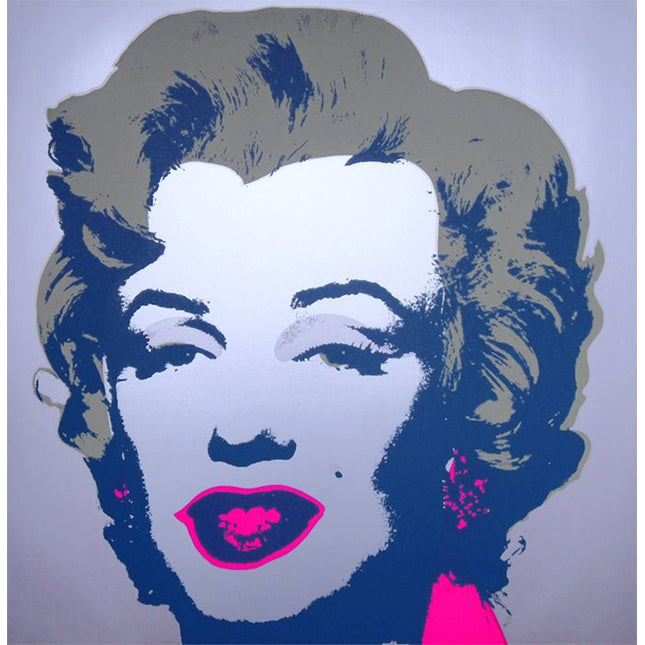
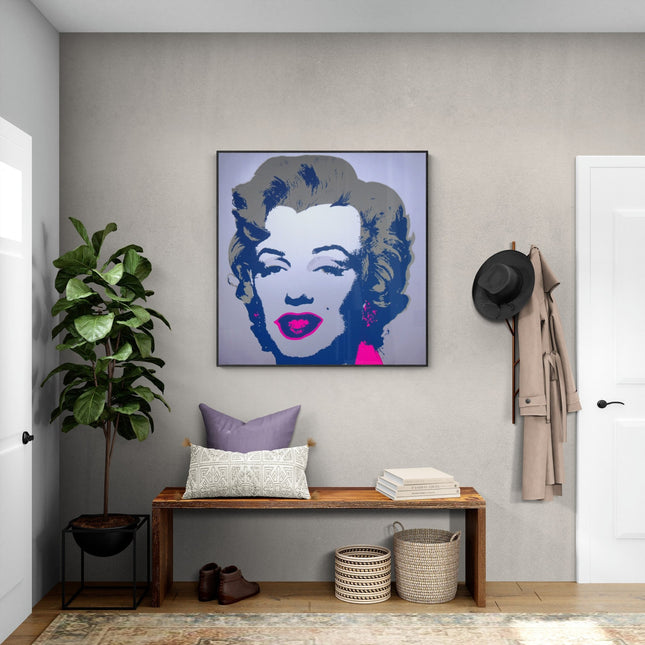
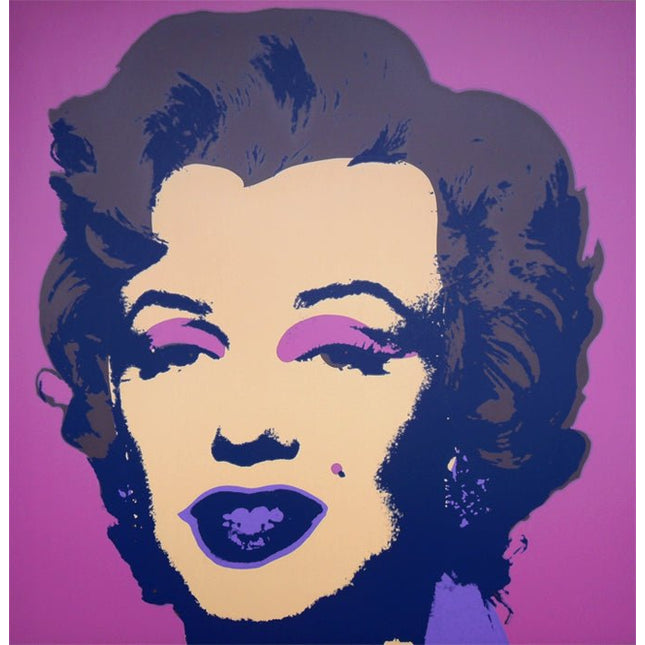
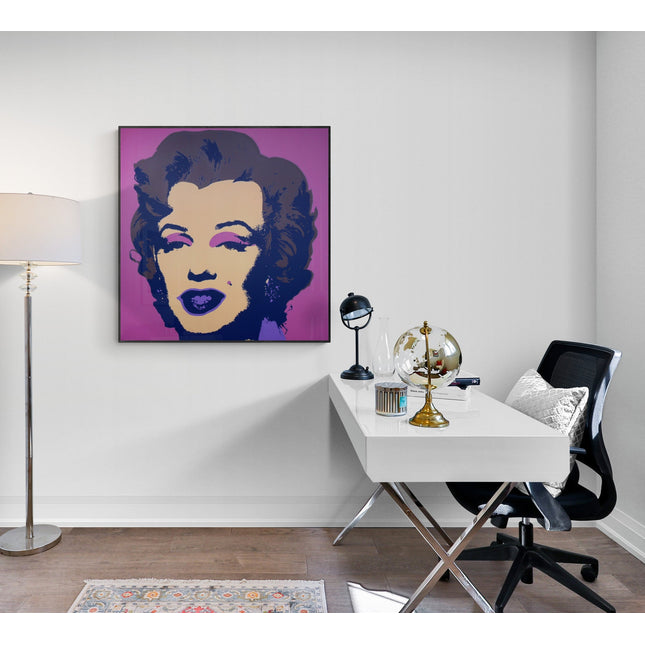
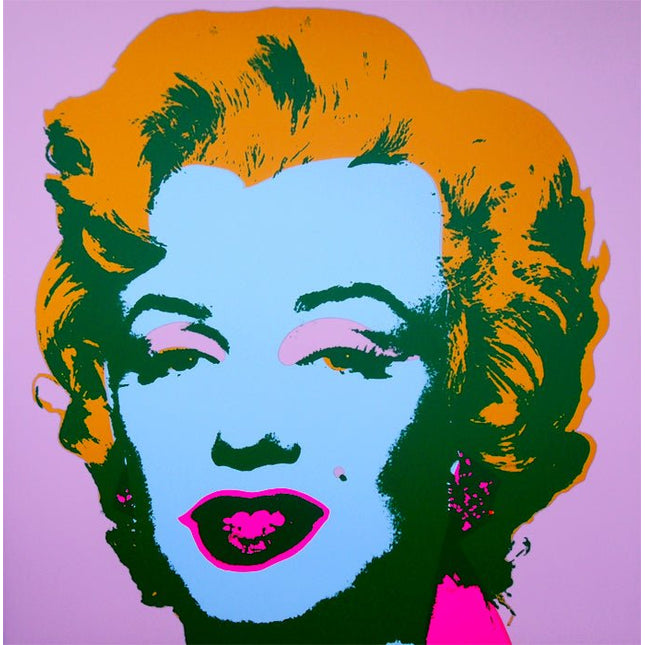
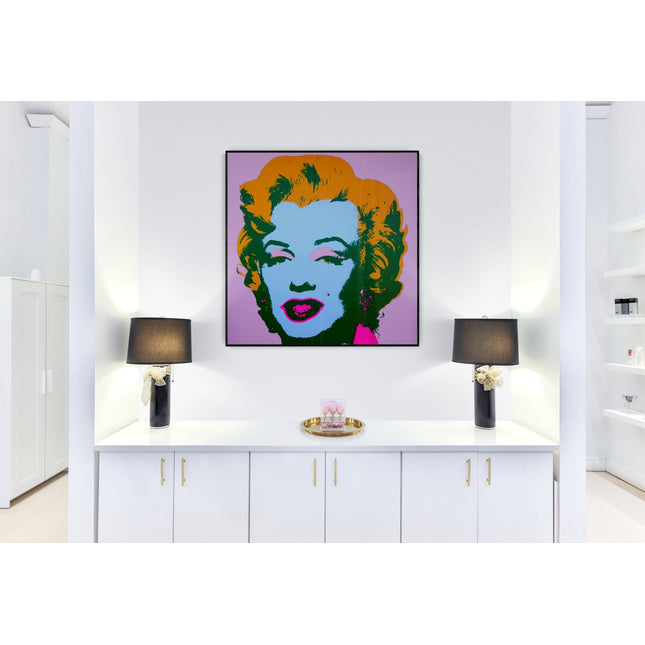
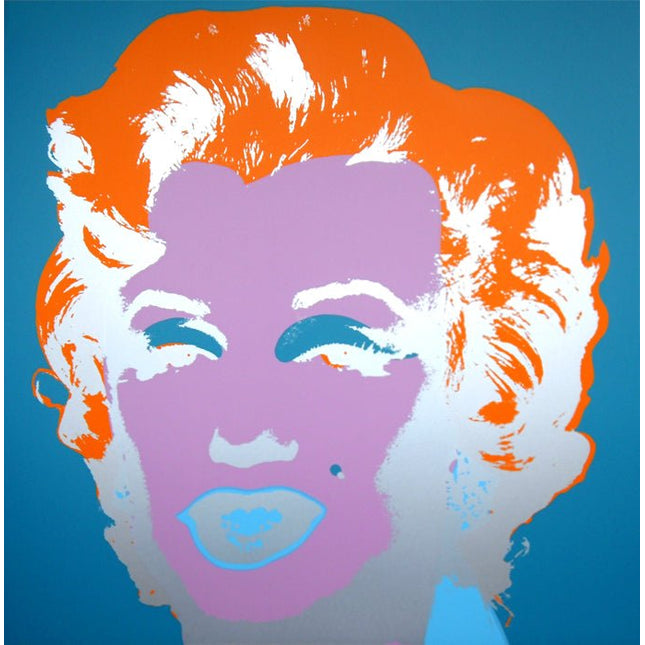
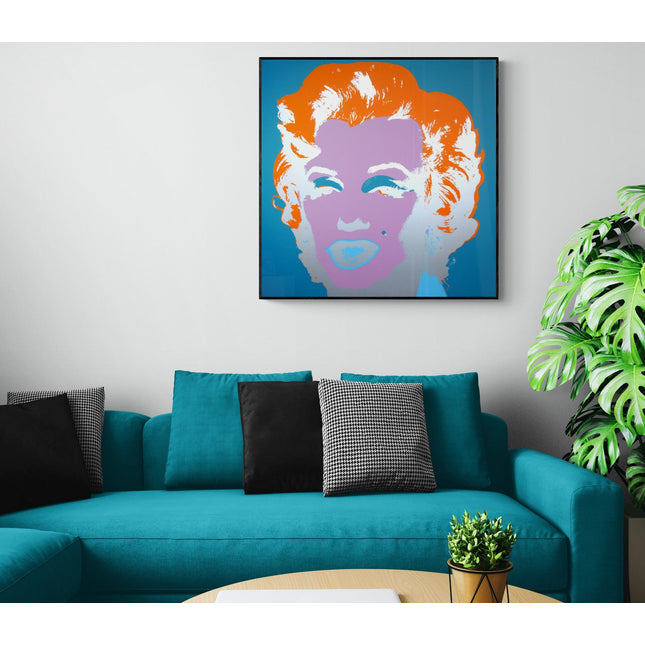
Screen print on museum board paper after Andy Warhol and published by Sunday B. Morning. Inscriptions on the back: "Published by Sunday B. Morning" and "Fill in your own signature". These prints are found in Feldman & Schellmann's "Andy Warhol's Catalogue Raisonne". Certificate of authenticity issued by Sunday B. Morning included.
Warhol started with the official image of Mao Zedong from the cover of the Little Red Book, which depicted a serious and solemn portrait of the Chinese leader. He then used silkscreen printing to alter the colours and add loose brushstrokes that disrupted the rigidity of the original image. In some versions, Mao’s face appears in striking hues such as green, pink or blue, with red lips or eye shadow that recall the visual language of celebrity portraiture and the crafted surface effects often discussed in writing on finish and surface treatment in print.
This visual transformation reinforces the irony at the core of the series: Mao, an austere leader and symbol of communism, is treated with the same calculated frivolity as Marilyn Monroe. Warhol turns an image of authority into a pop commodity, stripping it of political gravity and presenting it instead as a visual object shaped by circulation, display and collecting, a shift that resonates with broader reflections on prints as visual statements.
At the same time, the series reveals one of Warhol’s central paradoxes: although he employed an industrial process, the gestural brushstrokes introduced in some impressions add a manual, almost painterly inflection that interrupts the logic of mechanical reproduction. That tension gives each work a distinct presence and complicates any simple reading of editioned art as pure repetition, an idea that also speaks to the curatorial and aesthetic questions raised by print collection curation.