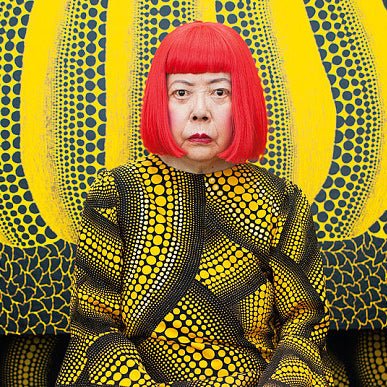
Born in Matsumoto, Japan, in 1929, Yayoi Kusama is arguably the most influential and globally recognized contemporary artist from her country. Her artistic breakthrough took place during the 1960s when she made the pivotal move from Tokyo, where she had studied the traditional Japanese painting style known as Nihonga, to New York City.
Once settled in the Big Apple, Kusama established herself alongside major figures of the era such as Andy Warhol and Claes Oldenburg, cementing her role as a pioneer of Pop Art. This period marked an incredibly prolific chapter in her life. As a key figure of the New York avant-garde, she organized radical and highly publicized "happenings" in iconic locations like Central Park and the Brooklyn Bridge. It was during this turbulent decade, influenced by psychedelia, the hippie scene, and rising feminist movements, that Kusama consolidated her unmistakable visual language.
Despite achieving immense international acclaim in New York, financial stability eluded her, and her ongoing mental health struggles intensified. In the mid-1970s, she made the decision to return to Japan, choosing shortly thereafter to reside permanently and voluntarily in a Tokyo psychiatric facility, which has served as her home and studio ever since.
While the late 20th century focused heavily on her institutional stabilization, highlighted by her landmark solo presentation representing Japan at the 1993 Venice Biennale, the 21st century has witnessed an unprecedented global phenomenon around her work. Today, her studio continues to radiate immense creative energy, with major solo retrospectives drawing record-breaking crowds to the world’s most prestigious museums, making her editions a definitive staple for those dedicated to collecting contemporary art.
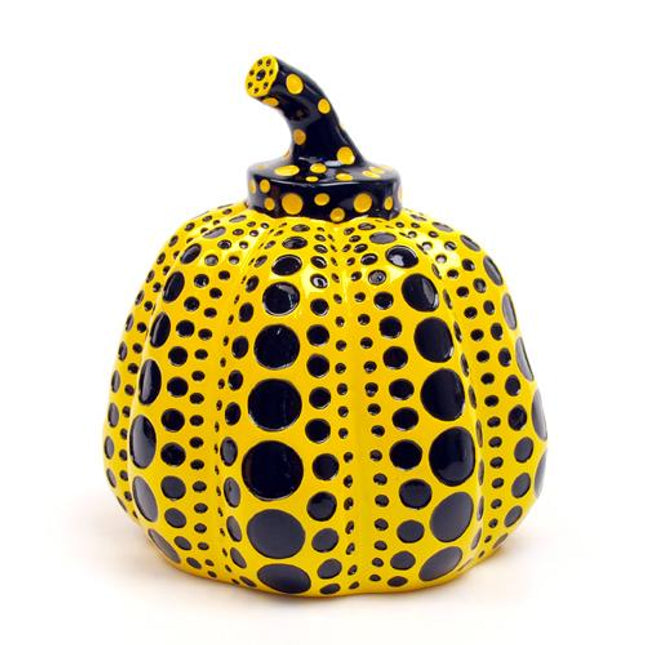
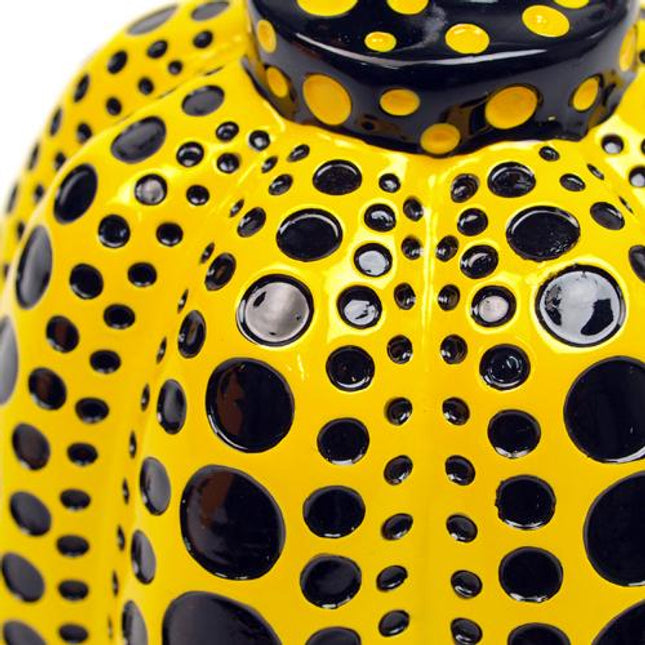
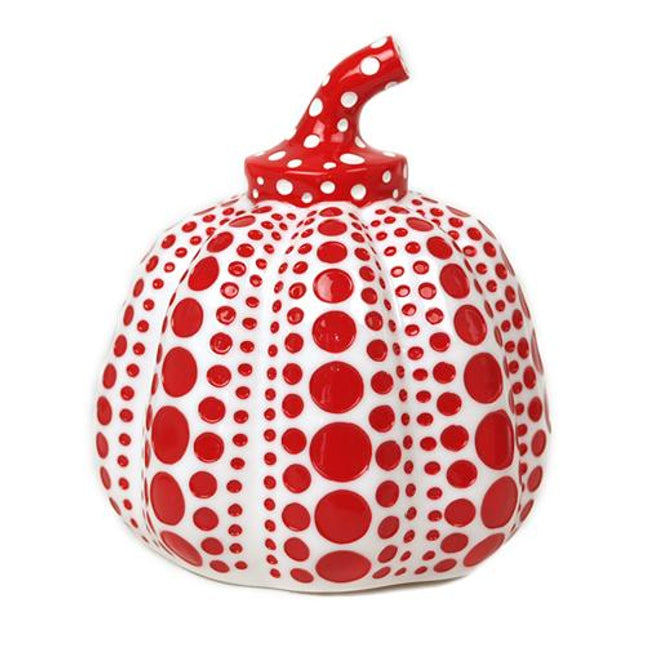
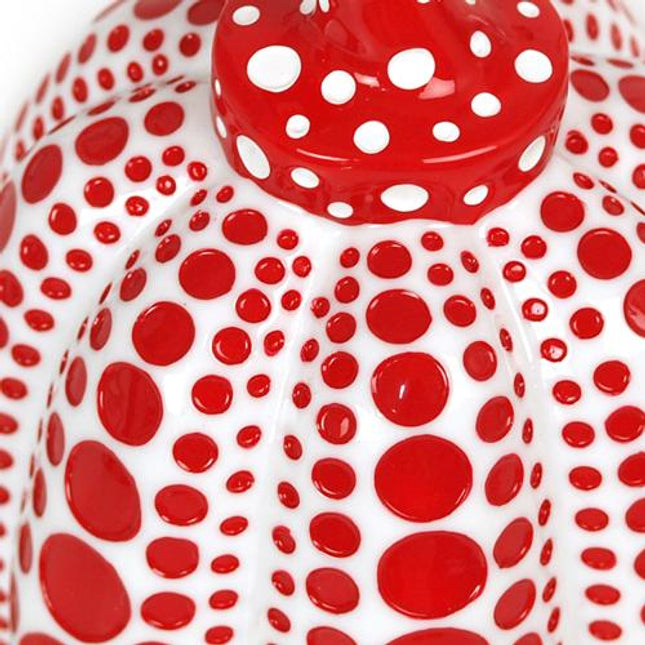
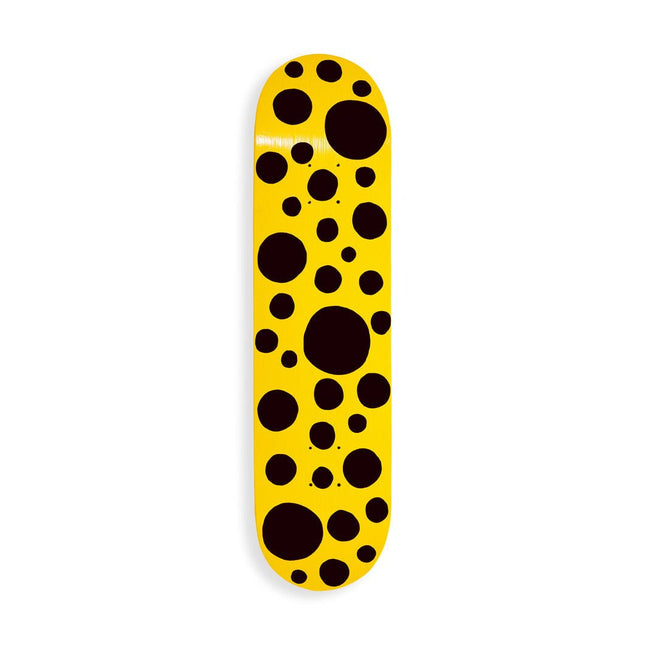
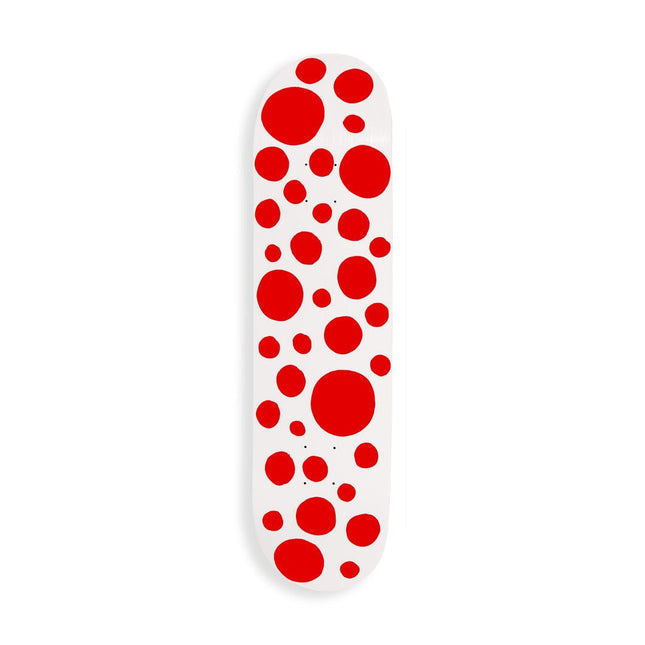
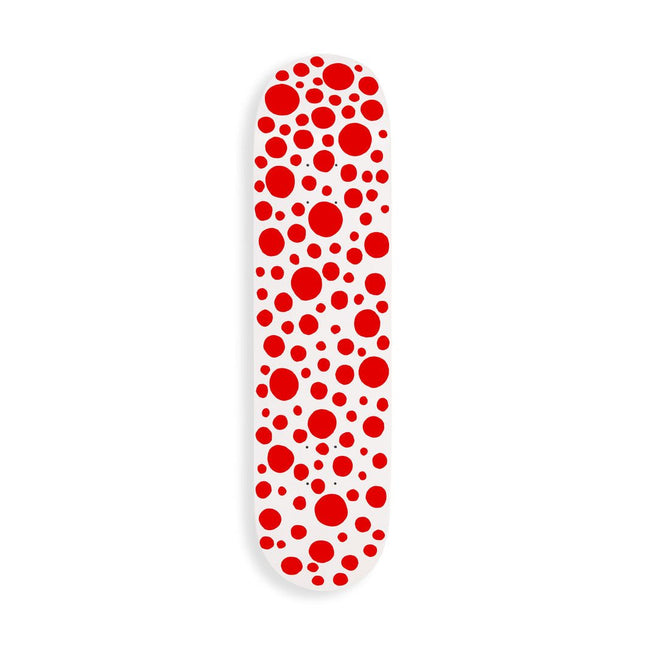
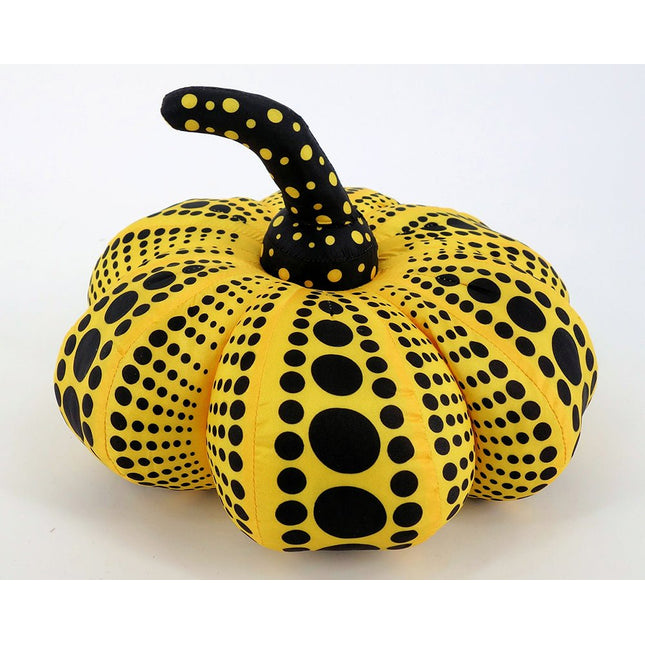
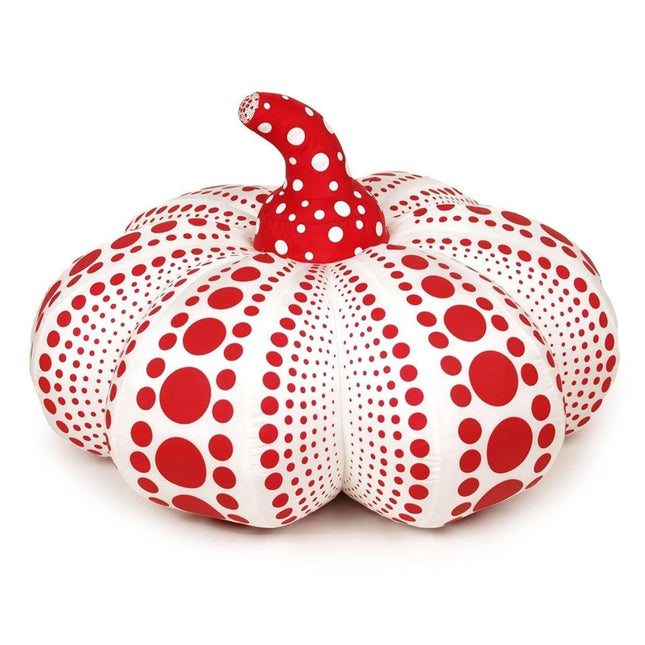
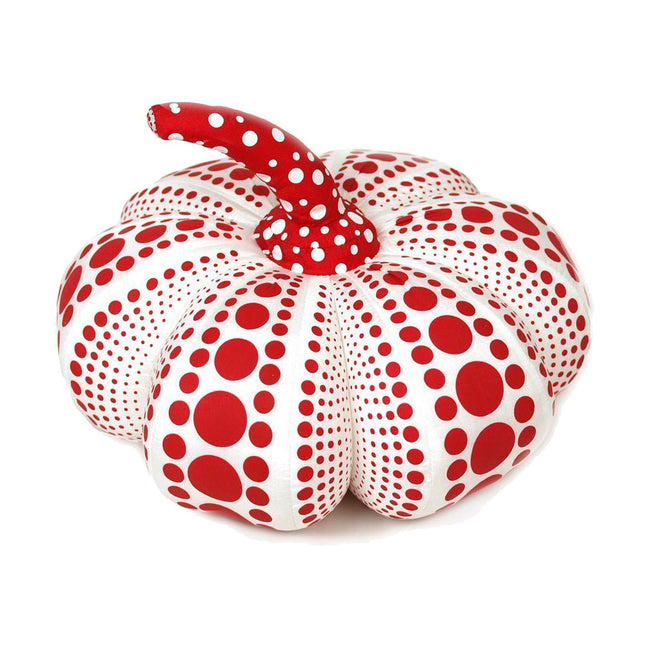
Kusama’s multi-disciplinary genius spans painting, sculpture, literature, and her world-renowned immersive installations. Her signature use of repeating geometric patterns, vivid color contrasts, and infinite dots stems directly from the psychological experiences and hallucinations she has navigated since childhood. For Kusama, the systematic repetition of dots serves as a profound process of "self-obliteration," a vital, therapeutic release that transforms personal obsessions, fears, and vulnerabilities into a universal meditation on infinity.